Toxic Metal Testing
Toxic metal testing and hair tissue mineral analysis
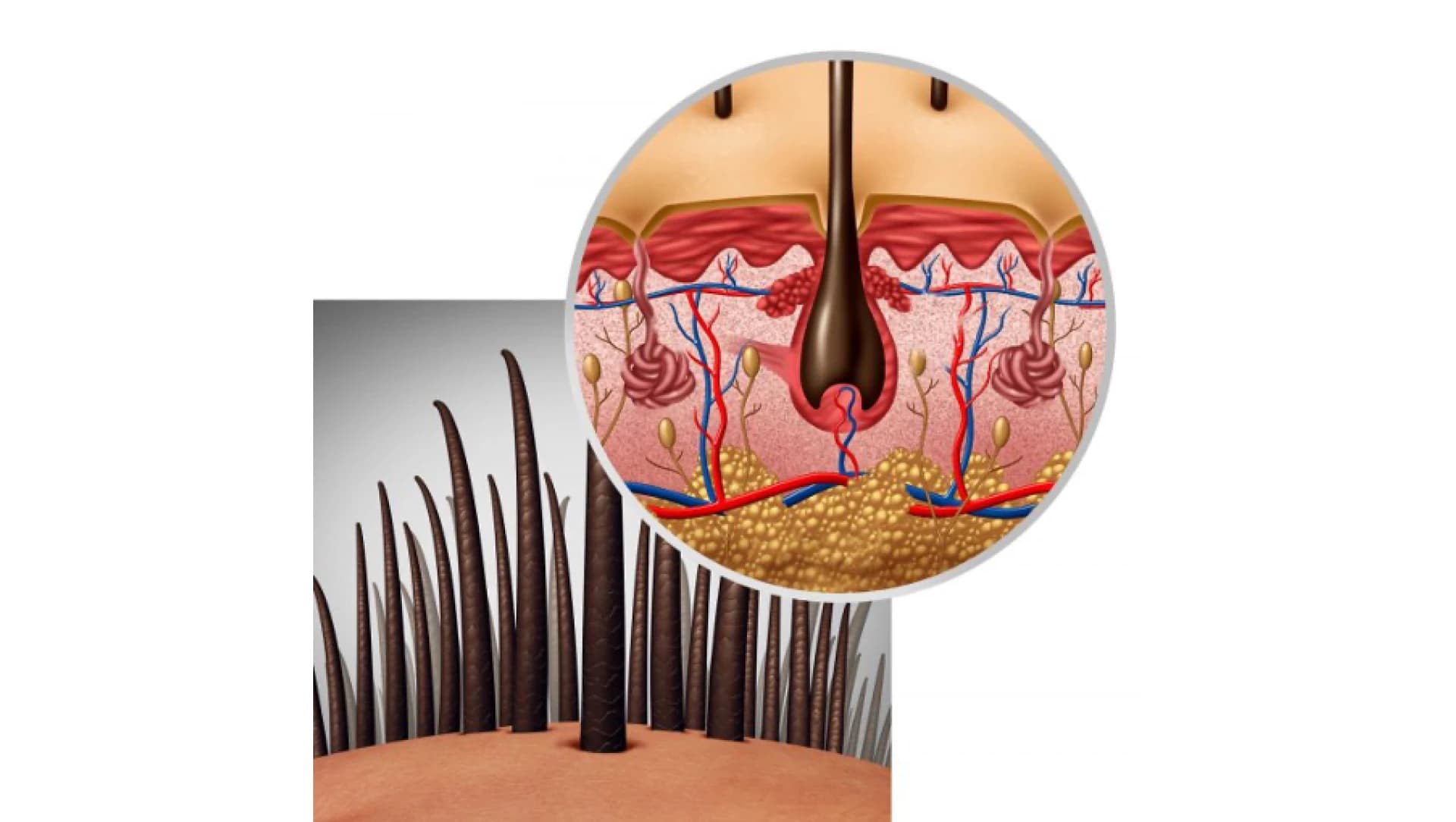
Toxic metal testing is performed by collecting hair tissue. It is a very good way to determine the levels of toxic metals circulating in a person's blood over the last two months. Hair Tissue Mineral Analysis (HTMA) is an inexpensive and non-invasive way to measure the levels of various trace elements and heavy toxic metals, often revealing abnormalities and dysfunctions that are not detected through other diagnostic tests. The levels of nutrients and their comparative relationships (ratios) determine how well your cells function and affect physical and cognitive performance. The aim of the analysis is to identify possible mineral and trace element deficiencies so they can be corrected and cell function improved, using the hair tissue analysis results as a guide.
What can Hair Tissue Mineral Analysis show?
Toxic metal analysis is a screening test, not a diagnostic test.
However, a properly interpreted hair mineral analysis test can reveal various mineral imbalances that may indicate a tendency towards various health conditions such as:
• Heavy metal toxicity
• Deficiencies in various minerals/metals
• Metabolic rate (fast or slow)
• Adrenal fatigue
• Thyroid function
• Nervous system imbalances
• Protein synthesis
• Inflammation
• Energy levels
• Liver and kidney stress
• Blood sugar imbalances
Why test for potential mineral and trace element deficiencies?
Minerals and trace elements are essential for life. They are involved in almost all enzymatic reactions in the body.
Hair Tissue Mineral Analysis can reveal a variety of minerals, trace elements and heavy metals including:
• 8 toxic heavy metals (antimony, arsenic, aluminium, beryllium, cadmium, lead, mercury, uranium)
• 29 minerals and trace elements (calcium, magnesium, potassium, sodium, copper, zinc, phosphorus, iron, manganese, chromium, selenium, boron, cobalt, molybdenum, sulphur, germanium, barium, bismuth, rubidium, lithium, nickel, platinum, thallium, vanadium, strontium, tin, titanium, tungsten, zirconium)
• Mineral ratios such as calcium/phosphorus, sodium/potassium, calcium/potassium, zinc/copper, sodium/magnesium, calcium/magnesium, iron/copper
• Toxic-to-mineral ratios such as calcium/lead, iron/lead, iron/mercury, selenium/mercury, zinc/cadmium, zinc/mercury, sulphur/mercury, sulphur/cadmium, sulphur/lead.
It is very important to assess the nutritional profile of trace element intake, as minerals and trace elements are essential for life and for maintaining health. They are actively involved in metabolism and structural support of cells, nerve signal transmission, muscle activity, immune function, antioxidant and endocrine action, all enzymatic functions, and acid-base balance. All minerals have complex interactions and affect one another. Excessive intake of one mineral can reduce the intestinal absorption of another—for example, high calcium intake can suppress zinc absorption, while excessive zinc intake can reduce copper absorption.
Why should we test for toxic metals?
A great deal of research has been carried out in recent years on the subject of toxins and their impact on our health.
Everyone born in this world carries a toxic load, because if the mother is exposed to toxic substances, she can transfer them through the placenta to the foetus during a particularly sensitive period of development, and subsequently into later life.
Heavy toxic metals are found everywhere and it is very difficult to avoid them completely in this day and age, even when following a healthy diet.
Knowing that we are all carrying a toxic burden from the day we are born and that we are exposed to many toxins from the environment we live in, we can choose to detoxify the body from these heavy metals.